Understanding the Main Causes of Acne
Acne is one of the most common skin problems worldwide. It develops when oil, bacteria, and dead skin cells block the pores. Although teenagers experience acne frequently, adults also suffer from persistent breakouts.
Hormonal changes often increase oil production. In addition, stress and poor skincare habits contribute to skin irritation. Furthermore, unhealthy diets may worsen inflammation and trigger more pimples.
Therefore, understanding the cause of acne helps you choose effective treatment methods.
Build an Effective Skincare Routine
A simple skincare routine can improve skin health significantly. However, using the correct products is essential for better results.
Cleanse Your Face Properly
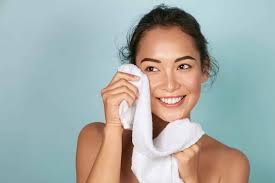
Wash your face twice daily with a gentle cleanser. Harsh products can irritate the skin and increase redness. Therefore, choose mild cleansers made for acne-prone skin.
Use Lightweight Moisturizers
Many people avoid moisturizers because of oily skin. However, dry skin may produce even more oil. Consequently, lightweight moisturizers help maintain healthy skin balance.
Protect Your Skin with Sunscreen
Sun damage can worsen acne scars and dark spots. Therefore, apply oil-free sunscreen every morning for daily protection.
Best Ingredients for Acne Treatment
Certain ingredients work effectively against acne. In addition, they improve skin texture and reduce inflammation.
Salicylic Acid for Clear Pores
Salicylic acid removes dead skin cells and unclogs pores deeply. As a result, it helps prevent blackheads and whiteheads.
Benzoyl Peroxide for Bacteria Removal
Benzoyl peroxide fights acne-causing bacteria quickly. Moreover, it reduces swelling and redness effectively.
Retinoids for Skin Renewal
Retinoids increase skin cell turnover and prevent clogged pores. Consequently, acne scars become less visible over time.
Niacinamide for Calming Irritation
Niacinamide reduces excess oil and soothes irritated skin. Therefore, it works well for sensitive and acne-prone skin.
Natural Remedies for Acne Control
Natural remedies support healthy skin when used consistently. However, proper application remains important.
Tea Tree Oil Benefits
Tea tree oil contains natural antibacterial properties. Therefore, it helps reduce pimples and skin inflammation naturally.
Aloe Vera for Soothing Skin
Aloe vera hydrates and calms irritated skin quickly. In addition, it supports faster healing of acne marks.
Honey for Clearer Skin
Honey fights bacteria while moisturizing the skin gently. As a result, skin feels softer and looks healthier.
Foods That Support Healthy Skin
Healthy eating habits can improve acne naturally. Therefore, diet plays a major role in skincare success.
Eat Fresh Fruits and Vegetables
Fruits and vegetables provide antioxidants and essential nutrients. Consequently, they reduce inflammation and support skin repair.
Drink Plenty of Water
Water keeps the body hydrated and removes toxins. Therefore, skin appears clearer and more refreshed.
Reduce Sugar and Processed Foods
Excess sugar may increase hormone fluctuations and breakouts. Likewise, processed foods can trigger skin irritation.
Healthy Habits for Acne Prevention
Good lifestyle habits improve overall skin condition. Furthermore, they support long-term acne control.
Manage Stress Effectively
Stress increases hormone levels and oil production. Therefore, relaxation techniques and exercise help reduce acne flare-ups.
Get Enough Sleep Every Night
Sleep helps the skin repair damaged cells naturally. In addition, quality rest reduces inflammation and stress.
Avoid Touching Your Face
Hands carry bacteria and dirt throughout the day. Consequently, touching the face may worsen acne problems.
Common Mistakes That Worsen Acne
Many people unknowingly damage their skin while treating acne. However, avoiding these mistakes improves results faster.
- Overwashing the skin
- Popping pimples frequently
- Using heavy makeup products
- Trying too many skincare products together
Instead, follow a simple and consistent skincare routine daily.
Professional Acne Treatments for Severe Cases
Some acne conditions require professional treatment. Therefore, visiting a dermatologist may provide better results.
Chemical Peels for Smoother Skin
Chemical peels remove dead skin layers and unclog pores. As a result, skin becomes brighter and smoother.
Laser Therapy for Acne Scars
Laser treatments reduce acne bacteria and improve skin texture. In addition, they minimize acne scars effectively.
Prescription Medications
Dermatologists may recommend antibiotics or stronger creams. Consequently, severe acne improves more quickly.
How to Prevent Acne Scars Naturally
Preventing scars is easier than treating them later. Therefore, early acne care is extremely important.
Use sunscreen daily to protect healing skin. In addition, avoid squeezing pimples aggressively. Gentle exfoliation also supports smoother skin renewal.
Furthermore, treating acne early reduces long-term skin damage.
Final Thoughts on Acne Solutions
Clear skin requires patience, consistency, and proper care. Although acne can feel frustrating, many effective solutions are available today.
Follow a healthy skincare routine daily. In addition, maintain balanced eating habits and healthy lifestyle choices. Most importantly, stay consistent with treatments for lasting results.